Most Common Security Flaws Found in Fintech Apps
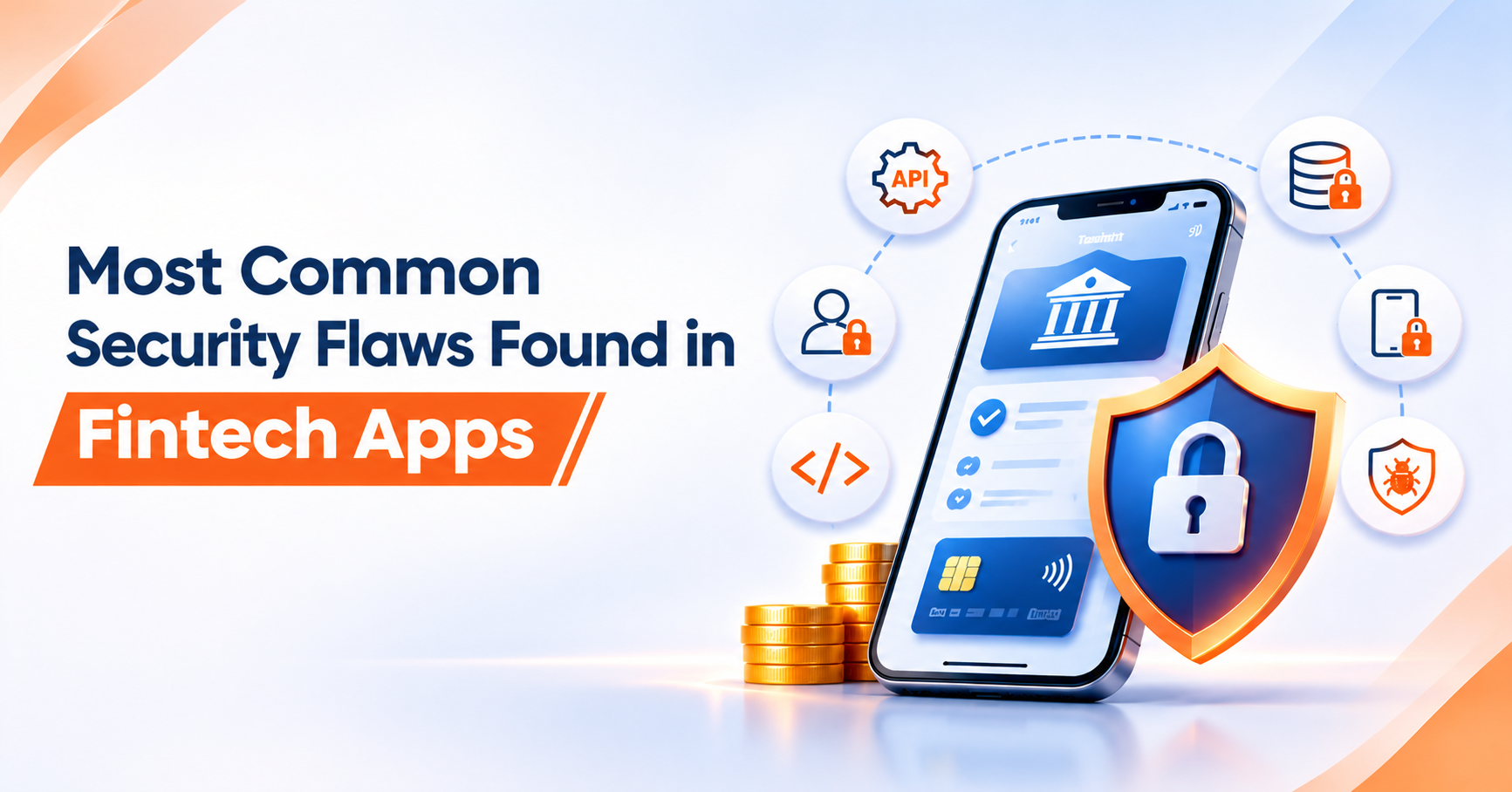
India's fintech industry is booming. Millions of users rely on mobile apps for digital payments, banking, lending, and investing. With such rapid growth come challenges in securing customer data. Financial apps deal with sensitive financial and personal information. Therefore, these apps become targets of cybercriminals.
Vulnerabilities in even one app can expose thousands of customers' data, process illegitimate transactions, and interfere with financial services. This stresses the importance of securing financial apps.
There are numerous minor threats and risks in a fintech app. Identifying and addressing these risks can help build financial apps with digital trust.
Know the Most Common Security Flaws Found in Fintech Apps in India
1. Weak Authentication and Session Management
Fintech apps use various authentication mechanisms, like PINs, passwords, and one-time passwords (OTP). Sometimes apps do not implement OTP mechanisms and authentication correctly. Consequently, users of the app can be at risk of account takeover.
Poor session management can keep sessions active after a user logs out. In the event a user's device is compromised, the attacker can exploit the active session to take over the user's account. Fintech apps should use secure session tokens and automatically log out a user after a specified time. These techniques, in addition to account lockout after a specified number of invalid login attempts, can help mitigate the chances of account takeover.
2. Insecure APIs and Data Exposure
Fintech applications depend heavily on APIs to connect mobile interfaces with payment gateways, banking systems, lending platforms, and third-party services. If these APIs lack proper fintech app security controls, attackers may exploit them to access sensitive information or manipulate transactions.
Common issues include:
- Broken object-level authorisation (BOLA).
- Missing or weak API authentication.
- Excessive data exposure through API responses.
- Improper rate limiting.
- Insecure transmission of sensitive information.
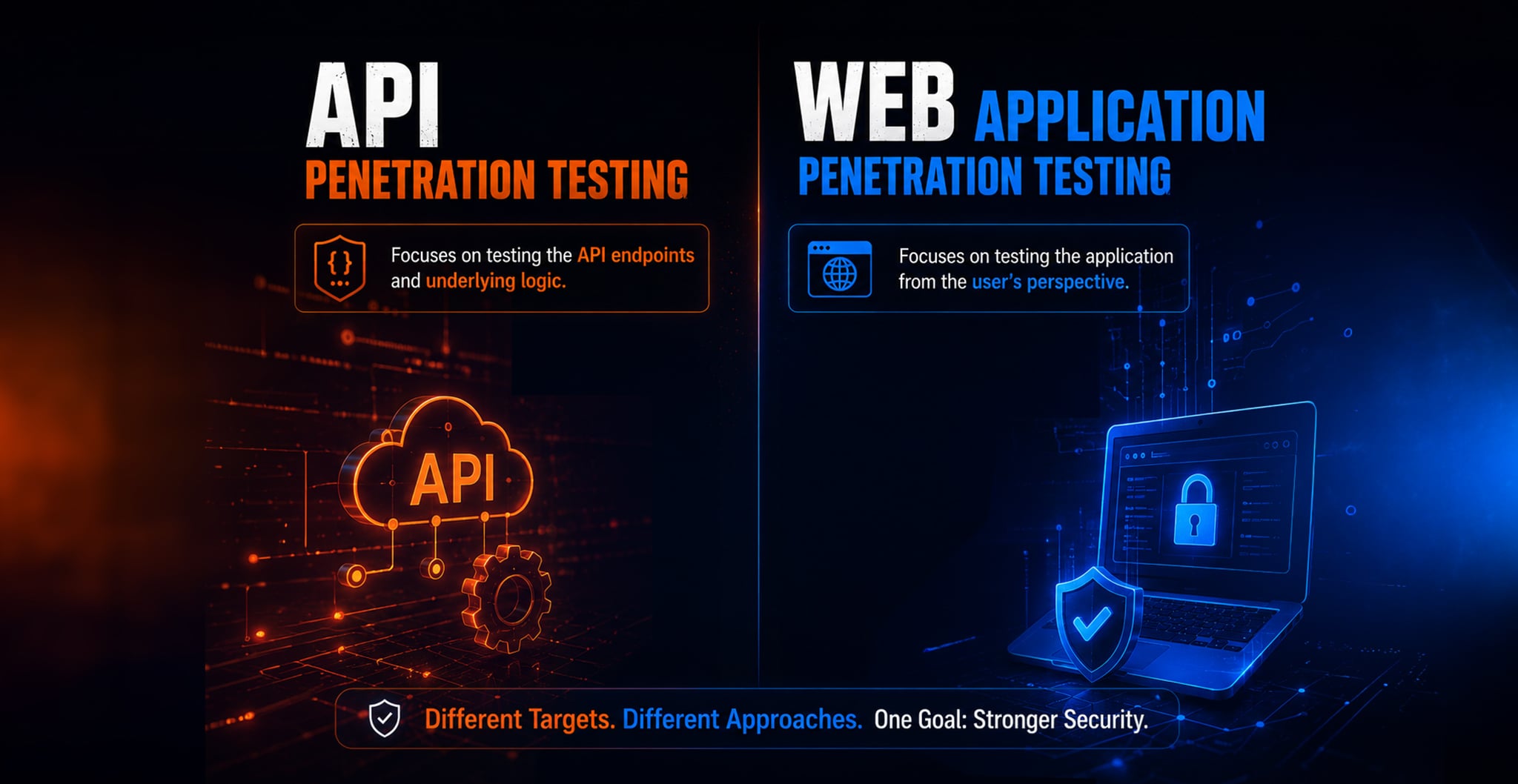
Strong fintech API security requires proper access controls, input validation, encryption, and API monitoring. Application penetration testing can also help identify weaknesses before attackers exploit them.
3. Insecure Data Storage and Transmission
Reversing traditional data elements, sensitive information such as account numbers, card details, transaction information, identity information, and other personal information is stored in applications and can be vulnerable to data theft.
Some data is stored on devices in an unencrypted format. Intercepting sensitive information can occur during transmission if data is encrypted with weak keys. Some best practices to secure data in application logs and storage on mobile devices can help mitigate the effects of data breaches.
To strengthen fintech app security, businesses should:
- Encrypt sensitive data at rest and in transit.
- Avoid storing unnecessary financial information.
- Use secure key management practices.
- Protect sensitive data in application logs.
- Implement secure storage mechanisms on mobile devices.
These measures help reduce the impact of data breaches.
4. Broken Access Control and Privilege Escalation
Broken access control occurs when a user is allowed to access/perform functions meant for other users. For example, a normal user is allowed to view/edit information of another user. A user can be allowed to perform functions meant for an administrator. This can happen due to control flow manipulation or API interaction.
Privilege escalation is a major risk. Attackers can take advantage of poorly defined permissions and access controls. Fintech companies should perform server-side authorization checks for all sensitive operations. Privilege escalation attacks can be prevented with the assistance of role-based access controls, least-privilege access, and frequent access reviews.
5. Insufficient Input Validation
Fintech applications accept a multitude of user inputs. Improper input validation can result in numerous attacks, including injection attacks and other attacks caused by manipulated inputs.
Examples include structuring attacks to alter a payment's amount or recipient. To prevent these attacks, Fintech companies should implement input validation, parameterized queries and/or output encoding, and checks for server-side business logic.
6. Weak Mobile Application Security
Mobile applications can expose sensitive information when developers overlook device-level security risks. Poor code protection, insecure communication, and improper handling of device permissions can make fintech apps easier to reverse-engineer or manipulate.
The OWASP Mobile Top 10 highlights important mobile application security risks, including improper credential usage, insecure authentication, insufficient input/output validation, and fintech app security misconfigurations. Fintech companies should follow secure coding practices, protect sensitive credentials, implement certificate validation, and assess applications for reverse-engineering and tampering risks.
7. Fintech App Security Misconfigurations and Outdated Components
Misconfigured cloud services, exposed development endpoints, unnecessary permissions, and default credentials can create entry points for attackers. Outdated third-party libraries and frameworks are equally concerning. These components may contain publicly known fintech vulnerabilities that attackers can exploit to compromise an application.
Businesses should maintain an updated software inventory, remove unnecessary services, apply fintech app security patches, and conduct regular configuration reviews. Dependency scanning can also help identify vulnerable third-party components.
How Can Fintech Companies Identify These Security Flaws?
Identifying vulnerabilities requires more than routine code reviews or automated security scans. Fintech companies need a structured security assessment process that evaluates applications from an attacker's perspective.
Application penetration testing helps uncover weaknesses in mobile applications, web platforms, APIs, authentication mechanisms, and transaction workflows. It involves simulating real-world attack scenarios to determine whether identified vulnerabilities can actually be exploited.
A comprehensive assessment should cover:
- Mobile application security testing.
- API authentication and authorisation testing.
- Payment and transaction workflow testing.
- Authentication and session management checks.
- Data storage and encryption assessments.
- Business logic and access control testing.
Regular testing helps organisations identify fintech app security gaps before they result in financial losses or customer data exposure.
Conclusion
As digital financial services continue to expand in India, security must remain a priority throughout the application lifecycle. Weak authentication, insecure APIs, poor data protection, and access control issues can expose fintech businesses to serious cyber threats.
A proactive approach to fintech app security involves secure development practices, continuous monitoring, timely patching, and regular penetration testing. Working with experienced cybersecurity professionals such as Kratikal can help fintech organisations identify exploitable weaknesses, strengthen application defences, and improve their overall security posture.
Comments
Join the discussionNo comments yet. Be the first to comment.